Carrito
Su carrito está vacío
Seguir comprando

Producto añadido al carrito
Learn
What compression actually does, what it doesn't, and how people use it on long days, during travel, and around training. Plain language, no hype.

The Short Version
Compression applies gentle, consistent pressure. Most people wear it because their legs feel better at the end of a long day — not to fix anything.
Many people assume support is meant to fix a problem. In reality, support is usually about comfort, confidence, and a steadier feel during movement or a long day. It does not correct underlying structure — and it doesn't need to in order to be useful.
A close, even fit through the joint or muscle gives a steadier feel while you move, which many people find reassuring during activity.
Gentle, consistent pressure through the leg is why most people reach for compression on travel days, long shifts, and hours on their feet.
Our knits use copper-infused fibre for its textile properties — how the fabric wears, breathes, and holds up to repeated washing.
From The Blog

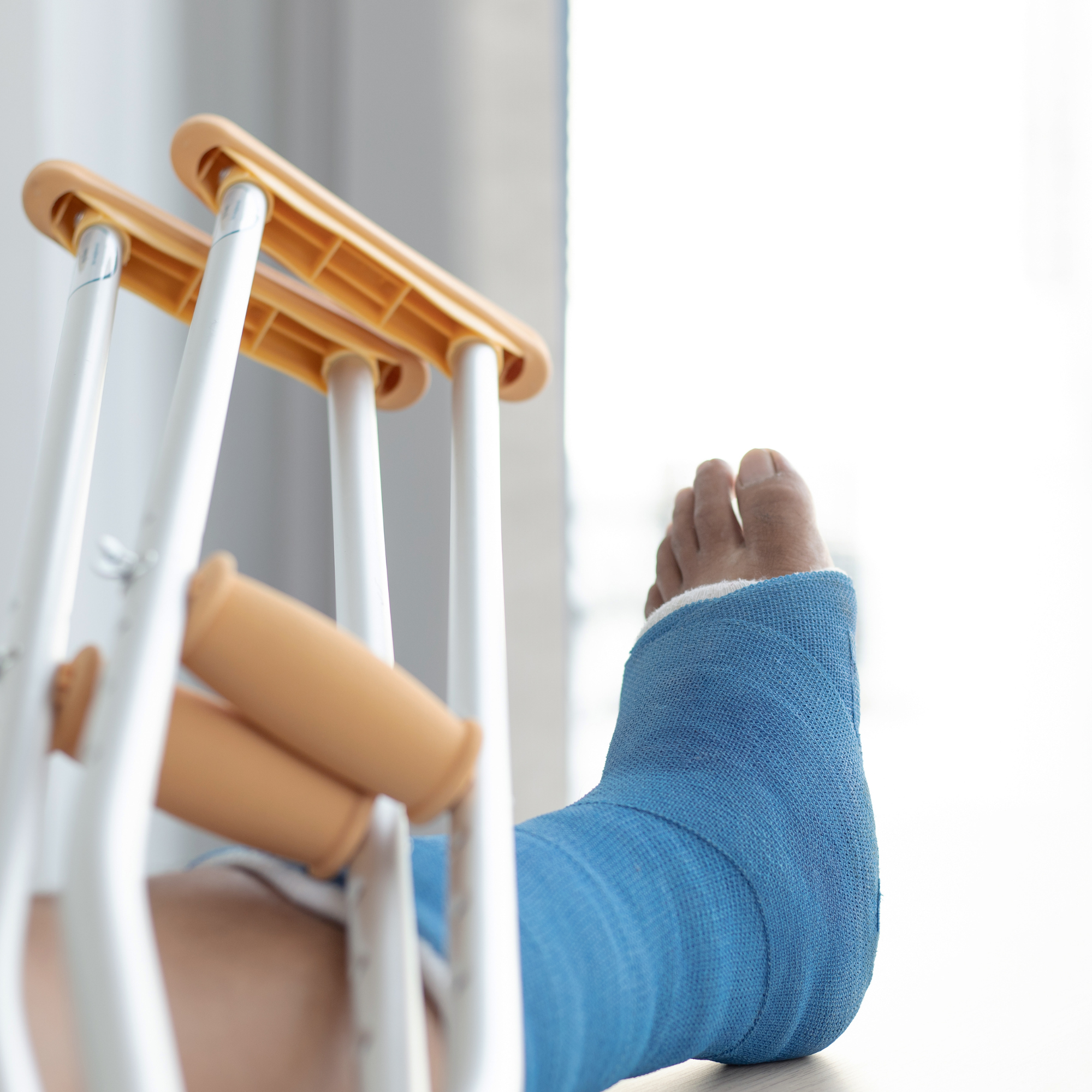
A surgeon's three-phase guide to the first weeks after surgery, when swelling is at its peak and the priority is protection rather than activity.

Two of the most common causes of foot and heel pain, how they're connected, and what the evidence actually says about compression.
The things people ask us most often about wearing compression.
No. Most people use support temporarily or situationally — on a long day, during a trip, around a workout — without becoming dependent on it.
No. It's commonly worn simply for comfort during activity or when legs feel tired, and plenty of people wear it with nothing wrong at all.
With daily wear, most people find the fit starts to loosen after several months. When it no longer feels snug the way it did when new, it's time to replace it.
Every product page has a size guide with measurements. Fit matters more than anything else here — too loose and it slides, too tight and you won't want to wear it.
Compression is a comfort tool, not a substitute for medical diagnosis. Please see a licensed clinician if you experience:
Or a locking or giving-way sensation in the joint.
Especially in one leg, or if it comes on suddenly.
Persistent pins and needles, or electric-feeling pain.
Or any pain that stops you doing things you normally do.
A sleeve or sock should feel snug and even, with no digging at the top band and no pinching behind the knee. If it leaves deep marks, rolls down, or you find yourself adjusting it all day, it's the wrong size — not the wrong product.