

Golfers Elbow
(or Medial Epicondylitis) is a condition commonly experienced by golfers. Golf involves repetitive arm movements, especially at the elbows, making them prone to inflammation. The pain can extend to the wrist and hands. Because the elbow joint contains many muscles and tendons, it’s vulnerable to tendinitis—particularly as we age. Repetitive activities like painting, gardening, or tennis can cause it too. If you think you're developing this condition, try these 10 steps to help your golfer’s elbow heal.
1. REST! REST! REST
Rest your elbows. Playing through pain makes it worse and could sideline you longer.
2. Consult a Doctor Immediately
See a doctor to confirm the diagnosis and get a treatment plan tailored to your stage of injury.
3. Ultrasound Physiotherapy
Follow through with prescribed therapy appointments. Ultrasound treatments (about 10 minutes each) help relax tense muscles and promote healing.
4. Massage Therapy
Gentle massage increases blood circulation in the injured area. Don’t overdo it; too much pressure can worsen inflammation.
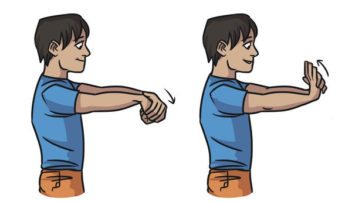
5. Stretching Exercises
Stretch the epicondyle tendons by placing your hand flat on a table and rotating it outward until your fingers point toward your body (clockwise for right hand, counterclockwise for left). Hold 30 seconds, 5 reps daily.
6. Cream Solutions
Use topical ointments or herbal creams with cooling/heating effects to reduce pain and relax the joint. Apply as needed.
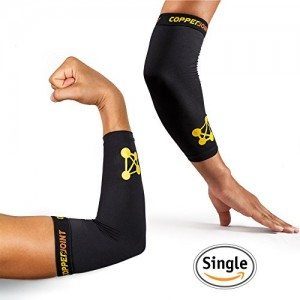
7. Compression Elbow Sleeves
Compression sleeves promote blood circulation and reduce swelling. Wear sleeves rated 15–30 mmHg throughout the day to support muscles and joint flexibility.
Support Your Healing Process
Recovery from Golfer's Elbow requires consistent support. Our Copper-Infused Elbow Sleeve Pro provides the clinical-grade compression (15-30 mmHg) mentioned in this guide, helping to increase circulation, reduce swelling, and stabilize the tendons while you heal.
8. Acupuncture
If you’re comfortable with it, acupuncture can be an effective alternative therapy. Research practitioners first if you’re new to it.
9. Eating the Right Foods
Diet matters. Focus on anti-inflammatory foods and avoid items known to trigger inflammation in joints.
10. Ice
Apply ice for 15–20 minutes (no longer) to reduce pain and inflammation. Repeat every couple of hours as needed. Alternating ice with heat can also help.
You Are On Your Way Toward Healing
With these steps, you’re on your way toward healing golfers elbow. Recovery takes patience—if pain persists, consult your doctor and follow professional instructions. Many people feel significantly better within 6–12 months.
For more information on our Copper-Infused Elbow Compression Sleeves, Click Here!
Golfer's Elbow FAQ
What is the main difference between Golfer's Elbow and Tennis Elbow?
The primary difference is the location of the pain. Golfer's Elbow (medial epicondylitis) causes pain on the inside of the elbow, while Tennis Elbow (lateral epicondylitis) affects the outside. Both are caused by repetitive strain on the tendons that connect to the elbow bone.
How long should I wear an elbow sleeve for Golfer's Elbow?
For the best results during the acute healing phase, wear the sleeve during all daily activities that involve arm movement. It is especially helpful during tasks like typing, gardening, or lifting. You can remove it at night unless your doctor suggests otherwise for managing inflammation during sleep.
Can I still exercise if I have Golfer's Elbow?
You should avoid repetitive gripping or pulling movements that trigger pain in the inner elbow. However, maintaining your cardiovascular fitness with walking or lower-body exercises is encouraged. As the pain subsides, you can gradually reintroduce light strengthening exercises for the forearm.
When should I see a doctor for elbow pain?
If the pain is sharp, accompanied by numbness or tingling in your fingers, or if the elbow joint appears deformed or severely swollen, see a professional immediately. Chronic pain that doesn't improve after several weeks of rest should also be evaluated to rule out more serious ligament tears.