How much do you know about your own body? We use our bodies daily and assume we understand their rhythms and needs, especially with medical advances and easy access to information. Yet even with all this knowledge, we can overlook how key parts—like the thumbs—work until they hurt. These evolutionary game-changers make gripping possible, and we rely on them for every door knob, steering wheel, and pen we handle.
Wrist joints also deserve attention. They’re integral to positioning and supporting our hands, channeling force from the arms, and sustaining loads. Typing, turning knobs, or carrying bags all require strong wrists. When hands, wrists, or thumbs begin to ache, it’s a stark reminder of how vital they are.
WHAT CAUSES THUMB AND WRIST PAIN?
All joints see heavy use, but hand joints handle countless daily tasks, making them prone to overuse injuries.
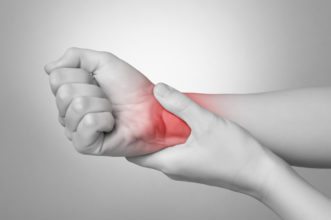
The thumb’s carpometacarpal (basal) joint is especially vulnerable. It’s formed by the metacarpal bone and the trapezium (in the wrist). Stress on this joint—and its tendons and ligaments—brings thumb pain. Wrists also suffer from overuse, not only in sports but in everyday tasks. Tendinitis arises when tendons become inflamed, sometimes with small tears.
Systemic conditions like rheumatoid arthritis can cause the immune system to attack joints. Carpal tunnel syndrome compresses the median nerve due to overuse. Symptoms include joint pain, stiffness, grip difficulty, swelling, limited range of motion, weakness, and tingling. Injuries such as dislocations or sprains, or ganglion cysts (fluid-filled sacs caused by inflammation) can also trigger pain. Whatever the cause, prompt treatment is key to restoring function and preventing worsening pain.
HOW ARE THUMB AND WRIST PAIN TREATED?
Basic RICE treatment is usually a good place to start.
REST – Temporarily stop using the affected joint. Even a significant reduction in activity helps the tendons and ligaments heal.
ICE – Apply cold packs at intervals to reduce pain and swelling. Heat can also encourage circulation; alternating hot and cold compresses may be recommended.
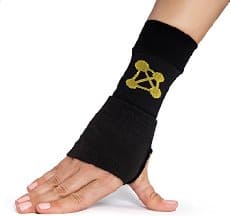
COMPRESSION –
Wrap the joint with compression fabric or gloves to promote blood flow and clear metabolic waste.
ELEVATION/EXERCISE – Rest the joint on a raised surface to aid circulation. Later, targeted exercises can strengthen surrounding muscles and relieve joint stress.